Personal Injury Law Blog

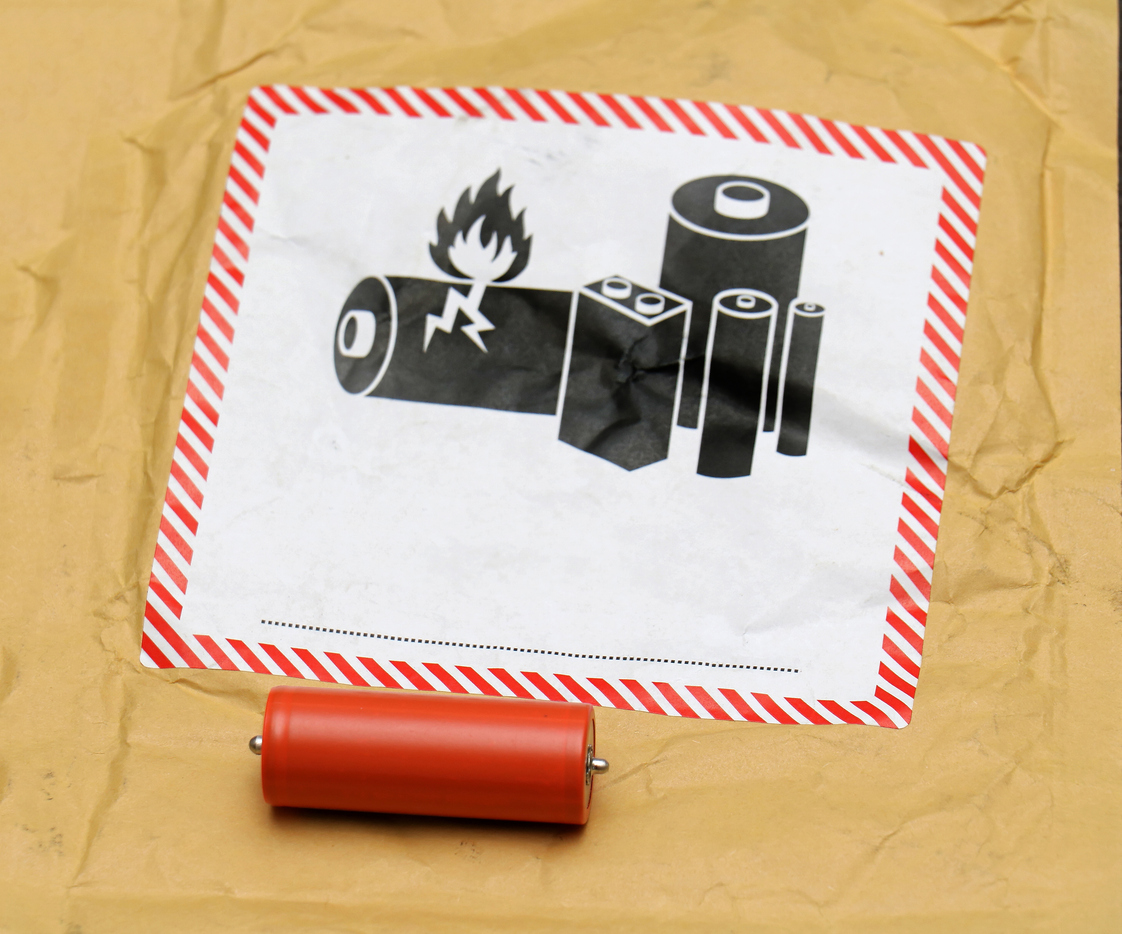 Lithium-ion batteries have become an essential part of modern life. They power the phones we carry, the laptops we work on, the e-bikes we ride, the power tools we rely on, and countless other products we use every day.
For the overwhelming majority of consumers, these batteries perform safely and reliably.
However, as rechargeable technology becomes more common, so do reports of lithium-ion battery fires. Fire departments across the United States continue to respond to an increasing number of battery-related incidents, many involving e-bikes, electric scooters, portable power banks, cordless tools, and other rechargeable devices.
One of the most important questions every consumer should ask is not whether lithium-ion batteries can fail, but what to do if one does.
The reality is that preparation and awareness can make an enormous difference.
Unlike many household fires, lithium-ion battery fires behave differently because of the chemistry inside the battery itself.
When a battery experiences an internal failure, it can enter a process known as thermal runaway.
During thermal runaway:
Because these fires can escalate so rapidly, early recognition and a safe response are critical.
Many lithium-ion batteries provide warning signs before they fail.
Consumers should stop using a battery immediately if they notice:
These symptoms may indicate internal battery damage that could eventually lead to fire.
Ignoring those warning signs significantly increases the risk of serious injury.
If a lithium-ion battery begins smoking, sparking, or catches fire, personal safety should always come first.
Some important steps include:
Always:
These recommendations may appear simple, but together they significantly reduce the likelihood of battery-related fires.
The increase in reported battery fires does not necessarily mean lithium-ion batteries have become less safe.
Instead, millions of additional batteries enter the marketplace every year.
Today they power:
As battery use grows, the absolute number of failures naturally increases, even if failures remain relatively uncommon.
That is why consumer education has become increasingly important.
After a fire, many people immediately assume they must have done something wrong.
That is not always the case.
Some battery failures result from product defects.
Investigations have identified incidents involving:
Determining whether a fire resulted from misuse or from a defective product often requires a detailed engineering investigation.
This is one reason preserving evidence is so important.
Consumers should also pay close attention to product recalls involving lithium-ion batteries.
Manufacturers periodically identify products presenting increased risks due to defects discovered after products enter the marketplace.
Registering products when possible and responding promptly to recall notices can reduce the likelihood of future injuries.
Ignoring a recall means continuing to use a product that may already have been identified as presenting a safety risk.
Statistics tell only part of the story.
Behind every reported battery fire is someone whose life may have changed forever.
Battery-related incidents have resulted in:
Families frequently face extensive medical treatment, insurance issues, temporary housing, lost income, and emotional trauma following these events.
That is why raising awareness remains so important.
Every educational conversation has the potential to prevent another tragedy.
As attorneys handling lithium-ion battery fire, injury, and wrongful death cases throughout the country, we have seen firsthand how devastating these incidents can be.
While many battery fires can be prevented through proper charging, safe storage, and consumer education, others result from defective products that should never have reached the marketplace.
If you or someone you know has been injured in a lithium-ion battery fire or explosion, preserving the battery, charger, and damaged product, when it is safe to do so, can make a significant difference in determining what happened. Early investigation is often critical to identifying whether a defect contributed to the incident and to protecting your legal rights.
Our commitment extends beyond representing individuals after tragedy strikes. We believe that education is one of the most effective tools available to reduce preventable injuries. By helping consumers recognize warning signs, follow safe charging practices, respond to recalls, and understand the importance of preserving evidence, we hope to contribute to safer homes and safer communities.
Lithium-ion batteries have transformed the way we live, and they will continue to play an important role in our future. By combining innovation with awareness, responsible manufacturing, and informed consumer practices, we can continue to enjoy the benefits of this technology while reducing the risks associated with battery failures.
Awareness doesn’t create fear. Awareness creates safer outcomes.

Bruce H. Stern, Esq. Secures $5.5 Million Settlement for Traumatic Brain Injury Victim
Stark & Stark is pleased to announce that Shareholder Bruce H. Stern, Esq., Certified Civil Trial Attorney and member of the firm’s Accident...“Best Law Firms” 2027 List Issued by Best Lawyers Recognizes Stark & Stark PC
We are proud to announce that the firm has been included in the 2027 Edition of Best Lawyers “Best Law Firms®” list, earning 11 regional...Bruce H. Stern, Esq. Secures $950,000 Settlement for Traumatic Brain Injury Client
Stark & Stark is pleased to announce that Shareholder Bruce H. Stern, Esq., Certified Civil Trial Attorney and member of the firm's Accident...Evan J. Lide, Esq. Secures $2.15 Million Wrongful Death Settlement
Stark & Stark is pleased to announce that Shareholder Evan J. Lide, Esq. recently secured a $2,150,000 settlement on behalf of the family of a...Stark & Stark Attorneys Recognized as New Jersey “Super Lawyers” and “Rising Stars” in 2027
Stark & Stark is pleased to announce that 16 of its attorneys have been selected for inclusion in the list of 2027 New Jersey Super Lawyers,...Stark & Stark’s Chinsu Shajan, Esq. Receives Mercer County Bar Association Rising Leader Award
Stark & Stark is proud to announce that Chinsu Shajan, Esq., a Shareholder in the Firm’s Accident & Personal Injury Group, was honored by...