Personal Injury Law Blog

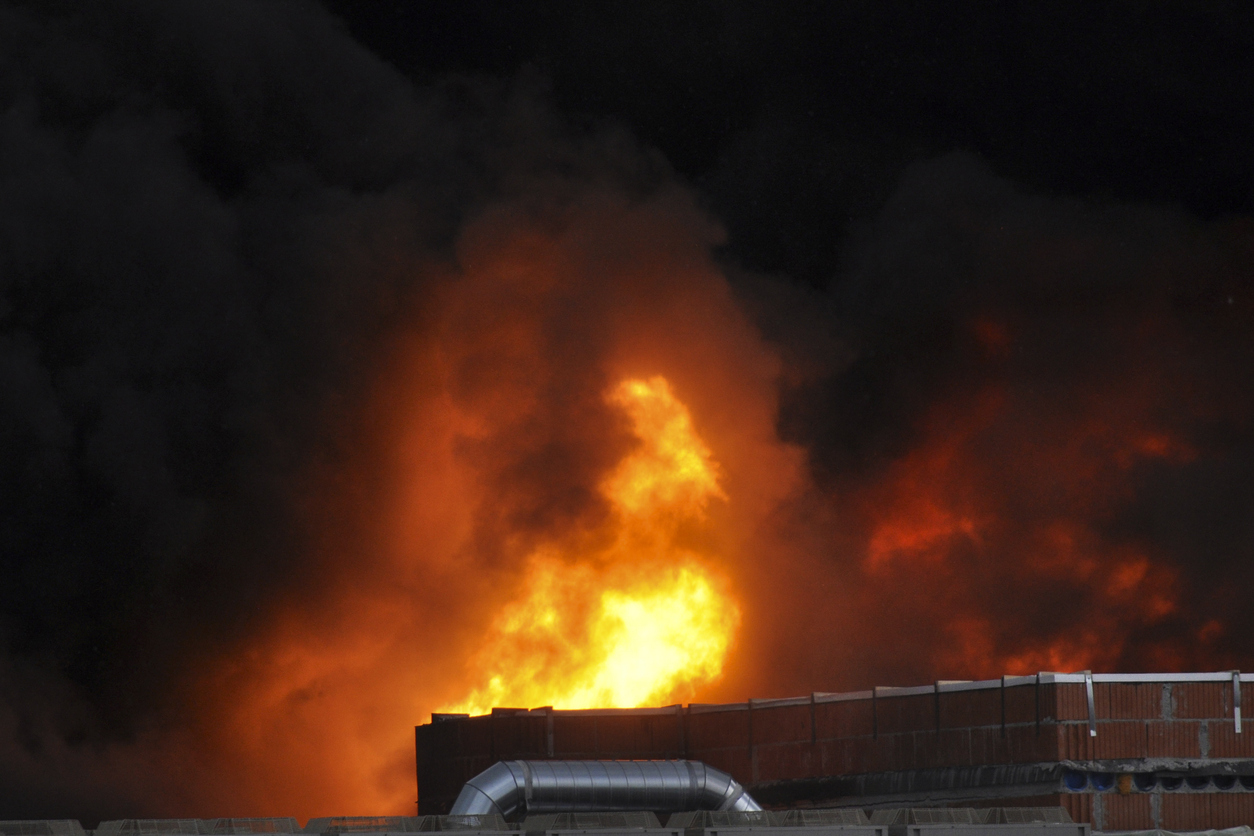 A massive fire at a recycling facility in Camden, New Jersey recently drew the attention of firefighters, environmental agencies, and residents throughout the region. While investigators continue to determine the precise cause of the fire, incidents like this have become an increasingly important reminder of a growing public safety concern: the dangers posed by improperly handled lithium-ion batteries.
For many people, lithium-ion battery safety is associated with e-bikes, electric scooters, or cell phones charging inside homes. However, another significant risk exists after these batteries reach the end of their useful life.
Improper disposal of lithium-ion batteries has become a leading cause of fires at recycling centers, waste processing facilities, and garbage collection operations throughout the United States.
As the number of battery-powered products continues to increase, so too does the importance of educating consumers about proper battery handling, storage, and disposal.
Lithium-ion batteries have become an essential part of modern life.
Today they power:
These products offer tremendous convenience and efficiency, which is one reason their popularity continues to grow.
The challenge is that every lithium-ion battery eventually reaches the end of its life. What happens next is becoming an increasingly important public safety issue.
Many consumers are surprised to learn that lithium-ion batteries should generally not be thrown into household trash.
When discarded improperly, batteries can become crushed, punctured, or damaged during collection and processing.
Inside garbage trucks and recycling facilities, batteries may be subjected to tremendous pressure. If the battery casing is compromised, an internal short circuit can occur, potentially triggering thermal runaway, a rapid chain reaction that generates intense heat and may result in fire or explosion.
Because recycling facilities process enormous volumes of material every day, a single battery failure can quickly spread into a large-scale fire.
These incidents not only threaten workers but can also endanger firefighters, nearby businesses, surrounding neighborhoods, and the environment.
The Camden fire is part of a larger trend that has been reported across North America.
Waste management companies, municipal recycling programs, and fire departments have all reported increasing numbers of fires believed to involve lithium-ion batteries.
These incidents often require significant emergency resources and can burn for extended periods because lithium-ion batteries behave differently from many traditional fuel sources.
Unlike ordinary combustible materials, damaged battery cells may continue generating heat even after flames appear to be extinguished, making suppression efforts particularly challenging.
As more rechargeable products enter the marketplace each year, experts anticipate that battery-related recycling fires will remain an ongoing concern unless consumers become more aware of proper disposal methods.
One of the most effective ways to reduce these incidents is through consumer education.
Many people simply do not realize that rechargeable batteries require special handling.
Consumers can improve safety by:
These are relatively simple steps, but collectively they can reduce the likelihood of fires that place workers, first responders, and communities at risk.
Public conversations about lithium-ion battery safety often focus on charging practices.
That remains incredibly important.
Consumers should continue to:
However, battery safety extends beyond the life of the product itself.
Safe disposal is an equally important part of responsible battery ownership.
Every discarded battery represents stored energy. If that energy is released unexpectedly through damage or improper handling, the consequences can be severe.
The increasing number of battery-related fires has prompted researchers, manufacturers, government agencies, and fire departments to develop better safety standards and educational initiatives.
Continued investment in battery technology has the potential to improve battery chemistry, enhance thermal management systems, and reduce the likelihood of catastrophic failures.
At the same time, public awareness campaigns remain essential.
Consumers cannot follow best practices if they are unaware of them.
Simple educational efforts, whether through manufacturers, retailers, municipalities, or community organizations, can make a meaningful difference in reducing preventable fires.
While many battery fires involve accidental disposal or improper handling, others result from defective products.
Some incidents stem from manufacturing defects, design flaws, battery management system failures, or inadequate safety mechanisms.
When these defects cause fires or explosions, individuals and families may suffer devastating consequences, including:
Every battery-related incident deserves careful investigation to determine what happened and whether the failure could have been prevented.
Preserving the product, documenting the scene, and seeking experienced legal guidance can be important steps in protecting an injured person’s rights.
The Camden recycling facility fire is another reminder that lithium-ion battery safety extends far beyond the products we use every day.
As battery technology continues to evolve, so must our understanding of how to safely charge, store, transport, and dispose of these products.
Awareness is not about creating fear, it is about empowering consumers with information that can help prevent fires and protect lives.
As attorneys handling lithium-ion battery fire, injury, and wrongful death cases throughout the country, we have seen firsthand the devastating impact these incidents can have on individuals, families, businesses, and communities.
Our commitment extends beyond representing those affected after tragedy strikes. We are equally committed to promoting education, supporting safer practices, and encouraging accountability throughout the battery industry.
If you or someone you know has been injured in a lithium-ion battery fire or explosion, or if a defective battery has caused significant property damage, it is important to preserve any available evidence and seek experienced legal guidance. Determining the cause of a battery failure may not only protect your legal rights—it may also help identify safety issues that prevent similar incidents from happening to others.
The future of lithium-ion technology is bright. By combining innovation, responsible manufacturing, consumer education, and continued awareness, we can work toward reducing battery-related fires while continuing to enjoy the benefits these products bring to our everyday lives.

Stark & Stark Recognized with Community Partner Award by Mercer County Community College Foundation
Stark & Stark is proud to announce that the firm has been recognized with the Community Partner Award by the Mercer County Community College...Carin A. O’Donnell, Esq. Inducted as 2026-2027 President of the Pennsylvania Association for Justice
Stark & Stark is proud to announce that Carin A. O'Donnell, Esq. was sworn in as the 2026-2027 President of the Pennsylvania Association for...Stark & Stark’s Thomas S. Onder, Esq. Receives 2026 ICSC Trustees’ Distinguished Service Award
Stark & Stark is proud to announce that Thomas S. Onder, Esq., Shareholder and Chair of the Firm’s Shopping Center & Retail Development...Our Values Remain: A Message on the Closing of Diversity Lab
Stark & Stark is saddened and disappointed to learn that Diversity Lab, the organization that created and manages the Mansfield Certification...Retail Development Team Secures Major Recovery for Landlord Client Amid Bankruptcy Dispute
Our Shopping Center and Retail Development Group recently secured a multi-million-dollar settlement for a commercial landlord client' s property...