Legal Insights for Individuals & Families

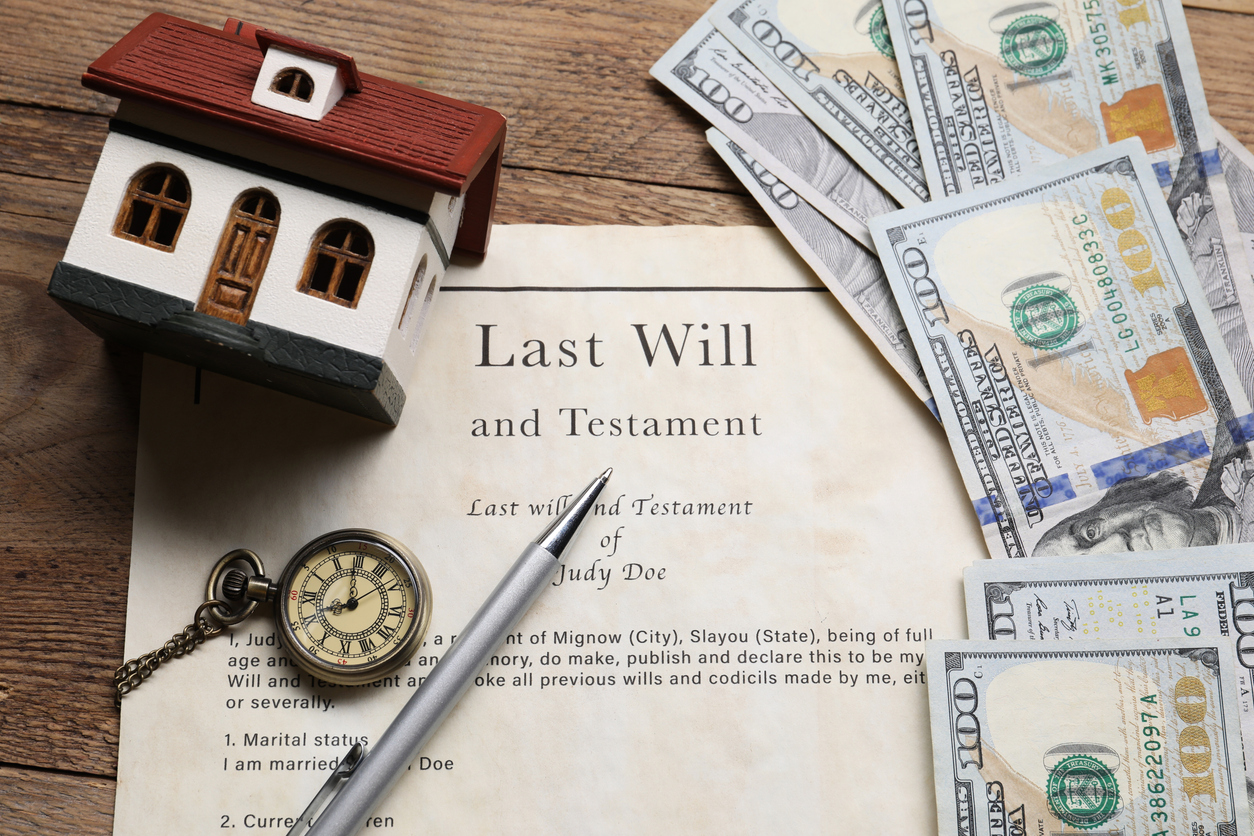
Life is often unfair. That is the reality that most of us have come to realize as we age. While we would hope that we will be treated fairly by a loved one in their last will and testament, there is no guarantee, however, that this will be the case. While wills can often seem incredibly unfair and biased, it does not automatically render them invalid provided certain preconditions are met by the decedent. As such, in general, an unfair will is not automatically an invalid will. Nonetheless, if you are on the short end of such a document there may be potential ways to challenge the Wills validity should certain factual scenarios be present.
In general, a last will and testament will be found to be valid by a court if it is determined that the decedent had the required mental capacity to execute their last will and testament, and moreover, that the decedent was free from any improper influences when they drafted and executed their will. If a party seeks to challenge a decedent’s will, there is a presumption that that the decedent had the required mental capacity when the Will was executed and likewise that the decedent was free from improper influences at this time. A party who seeks to challenge a decedent’s Will would bear the burden of proof when seeking to establish its invalidity. Typically, the two most common bases to challenge a last will and testament would be due to the lack of capacity of the decedent to execute the document, or due to undue influence asserted by another party over the decedent which caused the decedent to execute a Will which did not reflect their true desires. In the absence of proof of one or both of these theories, the decedent’s last will and testament will be found to be valid by the court even though this document might seem entirely unfair to the decedent’s heirs. The courts have staunchly held that in the absence of proof of an invalid will, that the courts must strictly construe its provisions irrespective of how unfair they might seem.
Should you be an heir of an estate and you have discovered that the Will left by the decedent seems grossly unfair, it is suggested that you consult with an attorney to discuss whether there might be a basis to challenge this last will and testament. As discussed above, as well as in other blogs that I have prepared, most challenges center on the capacity of the decedent to execute their Will or a claim that the decedent was subject to undue influence by a third-party to change their Will to reflect their desires. Either one of these challenges require extensive factual evidence, as well as potential expert evidence in order to pursue such claims. Furthermore, a party should carefully consider the cost and challenging a decedent’s will prior to undertaking potentially expensive litigation. All of these issues are explored in other blogs I have created in this regard.

Stark & Stark Recognized with Community Partner Award by Mercer County Community College Foundation
Stark & Stark is proud to announce that the firm has been recognized with the Community Partner Award by the Mercer County Community College...Carin A. O’Donnell, Esq. Inducted as 2026-2027 President of the Pennsylvania Association for Justice
Stark & Stark is proud to announce that Carin A. O'Donnell, Esq. was sworn in as the 2026-2027 President of the Pennsylvania Association for...Stark & Stark’s Thomas S. Onder, Esq. Receives 2026 ICSC Trustees’ Distinguished Service Award
Stark & Stark is proud to announce that Thomas S. Onder, Esq., Shareholder and Chair of the Firm’s Shopping Center & Retail Development...Our Values Remain: A Message on the Closing of Diversity Lab
Stark & Stark is saddened and disappointed to learn that Diversity Lab, the organization that created and manages the Mansfield Certification...Retail Development Team Secures Major Recovery for Landlord Client Amid Bankruptcy Dispute
Our Shopping Center and Retail Development Group recently secured a multi-million-dollar settlement for a commercial landlord client' s property...