Personal Injury Law Blog

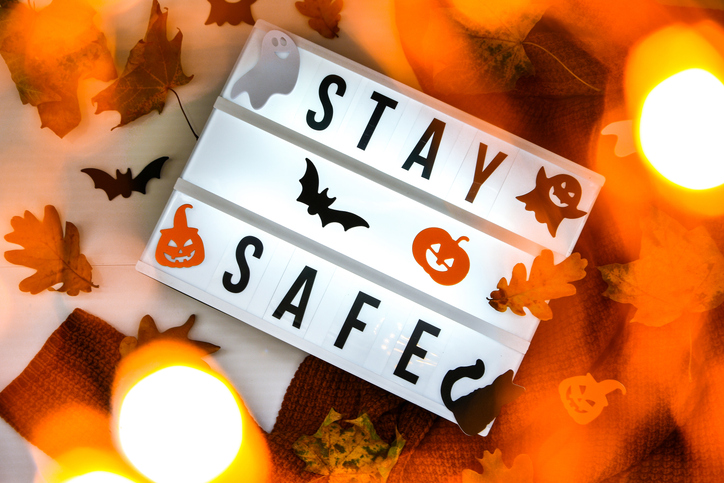
October is National Pedestrian Safety Month—a time dedicated to raising awareness about pedestrian safety and reducing accidents involving those who walk among us. As the seasons change, this initiative takes on added importance, with shorter days, darker evenings, and seasonal hazards creating additional challenges for pedestrians and drivers alike.
At Stark & Stark, we’re proud to stand alongside our community by sharing vital information about pedestrian safety. Whether you’re on foot, behind the wheel, or even maintaining your property, small adjustments can make a big difference in safeguarding lives.
As October progresses, drivers and pedestrians encounter the effects of shorter daylight hours. Twilight transitions earlier, making visibility more challenging during evening rush hours. This is particularly problematic because dusk is one of the riskiest times for pedestrian-related accidents. According to the National Highway Traffic Safety Administration (NHTSA), reduced visibility at twilight significantly impacts a driver’s ability to distinguish pedestrians.
Pedestrians can take simple steps to protect themselves in low light conditions, such as wearing bright or reflective clothing and using a flashlight or clip-on blinking light while walking. For drivers, it’s vital to stay focused and avoid distractions, especially during dusk hours, when children may be walking home from school or playing outside. Maintaining clean headlights and ensuring your windshield is free of streaks can also improve visibility.
October marks the heart of the back-to-school season, with school zones bustling with activity. From children walking to school in the mornings to extracurricular activities extending their commutes into the evening, drivers need to be especially vigilant when traveling near schools.
Lower speed limits in designated school zones exist for a crucial reason: Children are unpredictable. They may cross the street unexpectedly or dart out from between parked cars. Parents should encourage their kids to use crosswalks and walk on the sidewalks whenever possible. Teaching younger pedestrians the importance of looking left, right, and left again before crossing can save lives.
For drivers, following school bus laws is essential. When the bus’s stop sign arm is extended, all vehicles must stop, regardless of the direction of travel. Ignoring this rule puts children’s lives at risk—and can result in hefty fines and penalties. The Safe Kids Worldwide initiative provides valuable school zone safety advice, including tips for parents and drivers.
Statistics show a dramatic increase in pedestrian-related accidents during nighttime hours. According to the National Highway Traffic Safety Administration (NHTSA), pedestrian fatalities are three times more likely at night compared to daytime. Limited visibility, drowsy driving, and impaired driving are all contributing factors.
To reduce these risks, pedestrians should make themselves visible by wearing reflective clothing, avoiding dark apparel, and carrying a light source when walking in poorly lit areas. Drivers can help reduce accidents by lowering their speed in heavily trafficked pedestrian areas, using high beams when appropriate, and avoiding distractions like mobile devices. Urban planners and communities can also play a role by installing better lighting near crosswalks and intersections.
October ushers in peak deer season, as mating periods and migratory patterns lead to an increase in deer activity near roadways. These animals are most active at dawn and dusk, which coincides with peak commuting times. Collisions with deer are not just dangerous for the animals—they can also cause severe damage to vehicles and injuries to passengers inside.
Drivers traveling through rural areas or wooded neighborhoods should especially take heed of designated deer crossing signs. If a deer is spotted near the road, slow down immediately. Drivers are often caught off guard by multiple deer traveling in groups, so even if one crosses the road, it’s important to remain cautious for others that may follow. State Farm provides actionable tips to minimize the risks of deer-related accidents (State Farm®).
Autumn leaves bring beauty to neighborhoods, but those scattered across roads and sidewalks can create unexpected risks. When wet, fallen leaves become slippery, reducing vehicle traction and making it more difficult to stop. Drivers should slow down and leave extra space between vehicles when traveling on leaf-covered roads.
In neighborhoods where leaves are raked to curbs rather than bagged, piles of foliage can hide hazards such as potholes or uneven pavement. Pedestrians may trip or stumble on these piles, while drivers risk damaging their vehicles or losing control if they unknowingly veer over the debris.
Regular maintenance can help mitigate these risks. Homeowners should be mindful when raking or piling leaves to avoid blocking sidewalks or streets. Proper leaf disposal practices not only enhance pedestrian safety but also prevent drainage issues or road hazards.
Homeowners play a valuable role in keeping pedestrians safe. Slips, trips, and falls caused by unmaintained property hazards are a significant concern during the rainy fall months.
To make sidewalks and walkways safer:
In some municipalities, property owners may even be held liable for accidents if their negligence contributes to a pedestrian injury. Regular property maintenance is not just courteous—it’s a legal safeguard that protects everyone.
National Pedestrian Safety Month is a reminder that we all play a role in preventing pedestrian injuries and fatalities. Whether you’re driving, walking, or maintaining your property, staying alert and taking extra precautions during this season can save lives.
At Stark & Stark, we’ve seen firsthand the devastating effects that pedestrian accidents can have on individuals and families. We stand ready to help if you or a loved one has suffered an injury due to negligence.
For more tips and information, explore the pedestrian safety guide from the NHTSA (NHTSA).
Let’s work together this October—and every month—to make our streets safer for everyone.
Stark & Stark Recognized with Community Partner Award by Mercer County Community College Foundation
Stark & Stark is proud to announce that the firm has been recognized with the Community Partner Award by the Mercer County Community College...Carin A. O’Donnell, Esq. Inducted as 2026-2027 President of the Pennsylvania Association for Justice
Stark & Stark is proud to announce that Carin A. O'Donnell, Esq. was sworn in as the 2026-2027 President of the Pennsylvania Association for...Stark & Stark’s Thomas S. Onder, Esq. Receives 2026 ICSC Trustees’ Distinguished Service Award
Stark & Stark is proud to announce that Thomas S. Onder, Esq., Shareholder and Chair of the Firm’s Shopping Center & Retail Development...Our Values Remain: A Message on the Closing of Diversity Lab
Stark & Stark is saddened and disappointed to learn that Diversity Lab, the organization that created and manages the Mansfield Certification...Retail Development Team Secures Major Recovery for Landlord Client Amid Bankruptcy Dispute
Our Shopping Center and Retail Development Group recently secured a multi-million-dollar settlement for a commercial landlord client' s property...